How to Build an Authorized Reseller Program: 5 Steps to Get It Right
Listen to the episode
A strong Authorized Reseller Program (ARP) protects your brand by making sure customers buy from partners who represent it the way you intend. Setting one up takes real planning and ongoing oversight, which is why many brands put it off. Here's how to build one that holds up.
1. Define What Makes Your Program Worth Joining
Start by deciding what authorized resellers get that unauthorized sellers don't. This differentiates your program competitively, and it also establishes the material differences you'll need if enforcement ever ends up in litigation. Consider offering:
- A license to use your IP: a limited, revocable license to your copyrighted images, product descriptions, and trademarks, free of charge, so partners can market your products properly.
- Regular training: quarterly, biannual, or annual sessions that keep resellers current on your product line and sales strategy.
- Guaranteed authenticity: assurance that customers get genuine products, which protects both your reputation and theirs.
- An extended manufacturer warranty: on products sold through authorized channels, to build consumer confidence.
- Exclusive access: early access to new products and special offers that make your authorized partners more competitive.
- Direct support: a dedicated point of contact for merchandising, positioning, and issue resolution.
2. Set Clear Requirements to Maintain Status
Spell out what a reseller has to do to stay in the program. Depending on your business, that might include a minimum number of SKUs purchased (never approve a retailer for a single product), selling only through brick-and-mortar or branded, non-marketplace sites, a niche specialty that fits your target market, use of your official photography and descriptions, clear payment terms, a verified non-residential business address and resale credentials, a professional branded email address rather than a generic provider, a ban on drop-shipping to other retailers, and defined geographic territories.
3. Vet Wholesale Distributors Carefully
Working through wholesalers can simplify logistics and give you more control over pricing, since most wholesalers are already accustomed to complying with MAP policy. But the distributor itself needs to be held to your ARP standards. Require distributors to screen customers against your criteria (or forward applications for your approval), stop selling to anyone you flag as ineligible, disclose your ARP and MAP requirements to customers before they buy, provide quarterly sales data by SKU and quantity, and hold to a minimum wholesale price.
4. Protect Against Unauthorized Sellers
Consider publishing a list of known unauthorized sellers so loyal customers know that products bought elsewhere may not be authentic or carry a warranty. That transparency reinforces why the program exists in the first place.
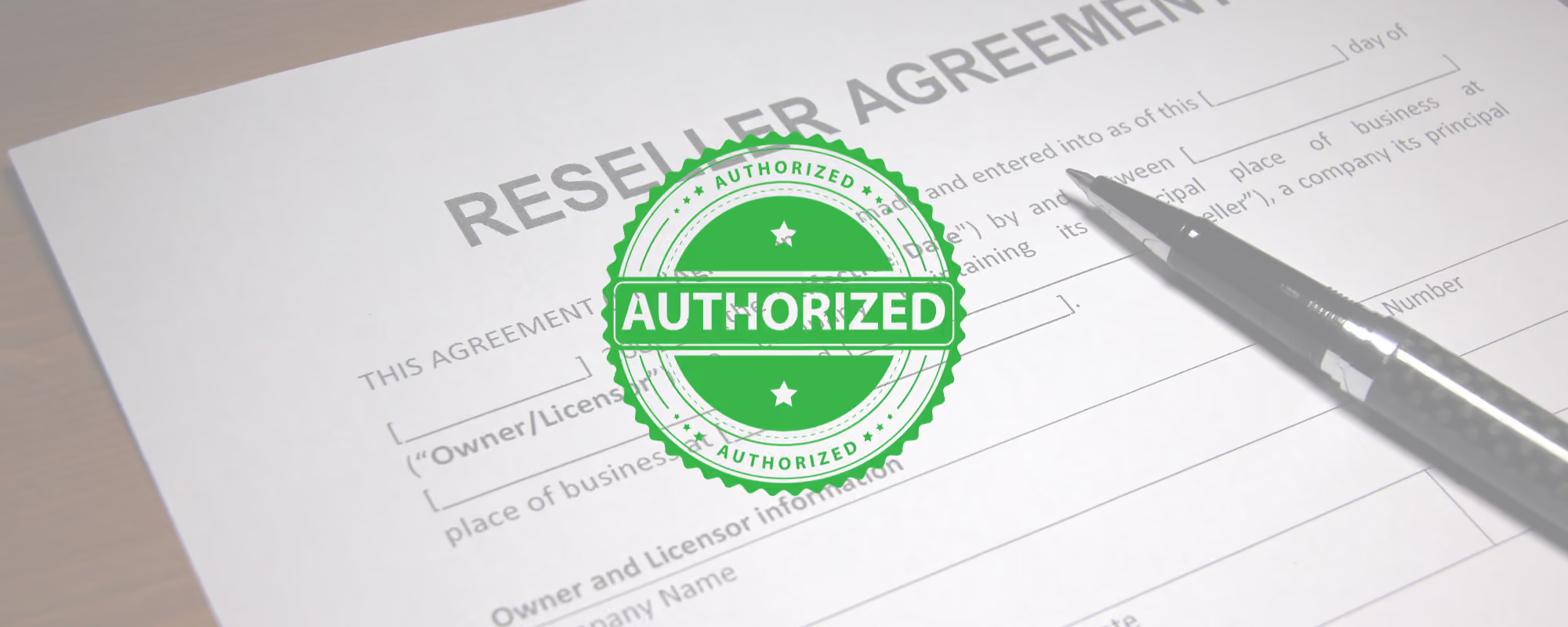
5. Put It in Writing
Fold these requirements into a formal terms and conditions document that distributors, and ideally their customers, agree to in writing. This is a separate document from your MAP Policy, not a substitute for it, and it needs to be communicated clearly and consistently to everyone in the program.
The Bottom Line
An Authorized Reseller Program is one of the most effective ways to grow sales while protecting brand integrity, but only if the terms are clear before anyone signs on. Get the structure right up front, and enforcement becomes far more straightforward down the line.
Who's undercutting you right now?
Pick up to three products. We'll scour Amazon, eBay, Walmart and Google Shopping and show you exactly where you're exposed.